





The rooms we love most look as though they have taken years to come together- even if they haven’t. They have a mixture of ages and styles, plenty of texture, and a few unexpected details that make you want to look a little closer.
At home, we’re often moving pieces from one room to another, adding something found at an antiques fair or changing a fabric that no longer feels quite right. For us, that is the joy of decorating: a home should continue to evolve as you live in it.
Layering is a huge part of that process. It’s how you take a room from feeling slightly flat to warm, characterful and properly lived in. Here are some of my favourite ways to do it.
1. Begin with a foundation
Every room needs an anchor. It might be a favourite piece of furniture, a grounding rug, a richly coloured wall or a patterned fabric you love. Starting with one strong idea gives the rest of the room a direction and helps each new element feel connected.
Before reaching for smaller accessories, step back and consider the room as a whole. Where does it feel a little bare? Is everything sitting at the same height? Could it use more movement, a softer texture, a darker tone or something with more shape?
Sometimes the answer isn’t to add anything at all. Moving a lamp, artwork, or chair can completely change the balance of a room.
If you’re beginning from scratch, our guides to styling your home office and designing a cosy bedroom are useful places to start.
2. Layer textures
Texture can make a room feel inviting before you even notice the individual pieces. Consider the contrast between soft and hard, smooth and woven, polished and natural.
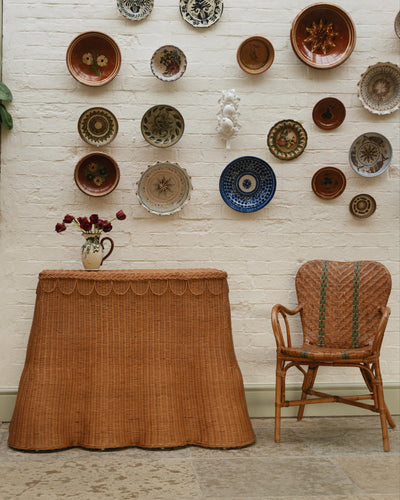
A rattan side table beside a softly upholstered armchair, or a hand-woven tray holding a glossy ceramic vase, will add depth without making the room feel busy.
3. Mix old and new
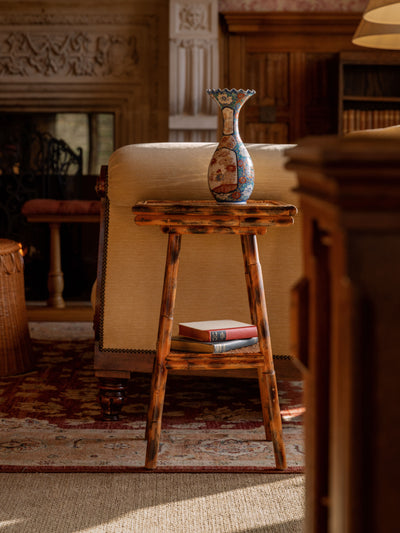
Some of our favourite interiors combine beautifully made new furniture with antiques, vintage textiles, old books and slightly imperfect objects.
An older piece doesn’t need to be valuable. It might be a chipped jug inherited from family, a small table discovered at a market or a framed sketch brought home from a holiday. These are often the objects people ask about because they carry a story.
Newer pieces bring balance and stop a room from feeling like a recreation of one particular period. Don’t worry if everything has a different provenance. Repeating a colour, material, or shape will often create enough of a connection.
4. Don’t be afraid of pattern & colour
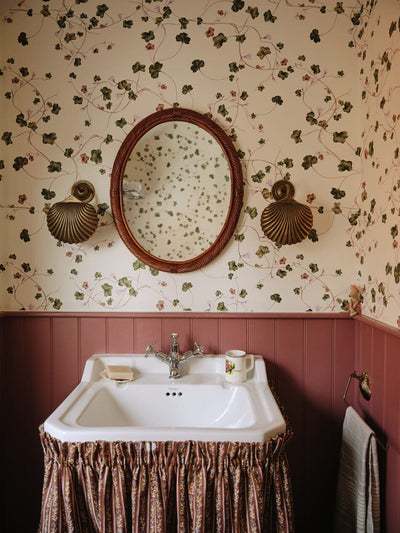
We are fans of pattern and love to mix several in the same room! It can feel intimidating at first, but here’s our tip: begin with one main pattern and use its colours as a thread throughout the space.
If you start with a floral fabric, for example, choose two or three colours from it and repeat them elsewhere through a stripe, a smaller geometric print or a plain textured material.
Scale is important, too. Several large patterns can compete, whereas a bold print beside a narrow stripe or tiny motif creates a more natural balance.
Thoughtfully mixing fabrics and patterns is also one way to make a home look and feel more expensive without breaking the bank, and it feels much more personal than repeating the same fabric throughout the room.
5. Don’t forget about smaller spaces
Coffee tables, bedside tables and bookshelves may occupy less space, but they often reveal the most about the people who live in a home. They’re also easy to refresh without redecorating the entire room.
When styling a coffee table, begin with a tray or a small stack of books. Add something with height, something sculptural and perhaps an object with a little history. An artisanal vase filled with flowers, a beautiful bowl, or a few rattan accessories will introduce warmth and texture.
The same approach works for bookshelves. Let books provide the foundation, then weave in framed photographs, ceramics, small artworks and objects collected on your travels.
Play with different heights and shapes, but resist the temptation to fill every inch. A little breathing room allows the pieces you really love to stand out.
6. Bring layering to the table
The table is perhaps the most joyful place to embrace a more-is-more approach. We love it to feel generous and slightly overflowing, with different colours, textures, food and flowers all layered together.
Begin with an embroidered tablecloth, followed by rattan placemats, hand-painted ceramics and characterful glassware. There’s no need to use a perfectly matching set. Older family crockery, vintage accents and slightly different serving pieces will give the table far more charm.
For the centrepiece, we love a few small arrangements or one loose, seasonal display. Keep the flowers low enough that guests can actually see one another- nobody wants to spend dinner peering through a large branch!
Finish with candles at different heights and plenty of serving dishes placed in the middle. The table should look beautiful, of course, but it should also invite people to reach in, help themselves and feel completely at home. For more ideas, read Louise’s guide to creating a beautiful tablescape.
The art of layering is as much about editing as it is about adding. Introduce pieces slowly, move them between rooms and live with them for a while. The most interesting homes are never entirely finished- and the elements that don’t match perfectly are often the ones that give them the most character.


